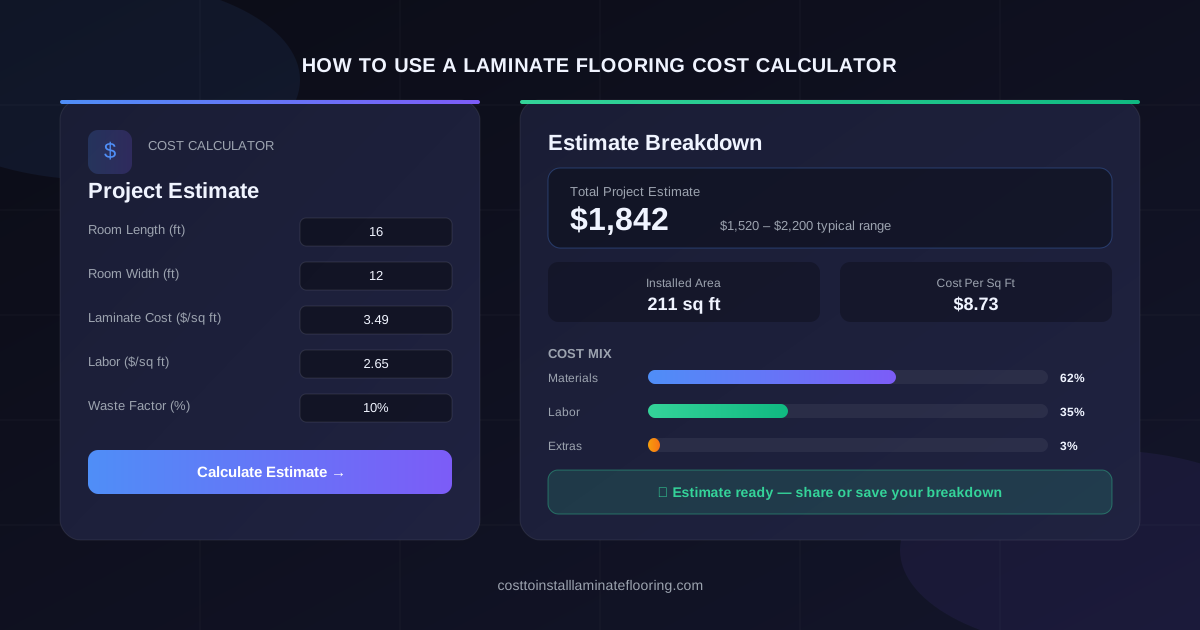
Planning a laminate flooring project without knowing the cost upfront is like driving cross-country without checking your fuel gauge. You might make it, but you’re rolling the dice. A cost to install laminate flooring calculator removes that uncertainty, giving you a realistic budget before you ever swipe your credit card at the home improvement store.
Whether you’re refreshing a single bedroom or planning a whole-home renovation, learning how to use these calculators properly can save you hundreds — or even thousands — of dollars. This guide walks you through everything you need to know.
What Is a Cost to Install Laminate Flooring Calculator?
A laminate flooring cost calculator is an online tool that estimates the total expense of installing laminate floors based on your specific project details. These calculators factor in materials, labor, underlayment, trim, and disposal costs to generate a customized estimate.
Think of it as a pre-shopping financial roadmap. Instead of guessing whether you can afford that premium oak-look laminate, you’ll know exactly where your budget stands before contacting contractors or visiting showrooms.
Why Accurate Cost Estimates Matter
Underestimating your flooring budget is one of the most common renovation mistakes homeowners make. Installation costs frequently surprise people because they focus on the per-square-foot price of laminate planks while overlooking the dozens of smaller expenses that add up quickly.
A reliable calculator helps you avoid:
- Running out of budget mid-project
- Choosing materials you can’t afford to install properly
- Getting blindsided by contractor quotes
- Skipping essential components like quality underlayment
Information You’ll Need Before Using the Calculator
Before opening any flooring cost calculator, gather these key details to ensure accurate results:
Room Measurements: Measure the length and width of each room in feet, then multiply to get square footage. For irregularly shaped rooms, divide the space into rectangles, calculate each separately, and add them together. Always add 5–10% extra for cutting waste.
Laminate Quality Tier: Decide whether you want budget ($1–2 per square foot), mid-range ($2–4 per square foot), or premium laminate ($4–8 per square foot). Quality affects durability, appearance, and warranty length.
Subfloor Condition: Note whether your existing subfloor is level, damaged, or needs replacement. Subfloor repairs can add $1–3 per square foot to your project.
Removal Requirements: Determine if old flooring needs to be removed and disposed of, which typically adds $1–2 per square foot.
Your Location: Labor rates vary dramatically by region, so most calculators ask for your zip code or adjust manually.
Step-by-Step Guide to Using a Laminate Flooring Calculator
Step 1: Choose a Reputable Calculator
Not all calculators are created equal. Look for tools from established home improvement websites or contractor networks. Our free laminate flooring cost calculator pulls from real project data, making it more reliable than generic estimators.
Step 2: Enter Your Square Footage
Input the total area you want to cover. If the calculator asks for room dimensions instead, enter length and width separately. Double-check your measurements before submitting — errors here cascade through every other calculation.
Use our square feet calculator if you have multiple rooms to add up first.
Step 3: Select Your Laminate Type
Choose the grade and style of laminate you’re considering. Most calculators offer dropdown menus with categories like standard, water-resistant, premium, or commercial-grade. If you’re unsure, run the calculation twice with different options to compare costs.
Step 4: Add Underlayment and Accessories
Quality underlayment is non-negotiable for proper laminate installation. It provides moisture protection, sound dampening, and cushioning. Calculators typically let you select basic foam underlayment ($0.30–$0.50 per square foot) or premium options with built-in vapor barriers ($0.75–$1.50 per square foot).
Don’t forget to include transition strips, baseboards, quarter-round molding, and threshold pieces, which together can add $200–$500 to your project.
Step 5: Factor in Labor Costs
Professional installation typically runs $2–$8 per square foot depending on your location and project complexity. If you’re planning DIY installation, set this to zero — but remember to budget for tool rentals like a tapping block, pull bar, and laminate cutter.
Step 6: Include Additional Services
Add costs for any extras that apply to your project:
- Old flooring removal and disposal
- Furniture moving
- Subfloor repair or leveling
- Stair installation (significantly more expensive than flat floors)
- Pattern installations like herringbone, which add 15–30% to labor
Step 7: Review and Save Your Estimate
Once the calculator generates your total, save the estimate or screenshot it for reference. Use this number as your baseline when collecting actual quotes from contractors.
Need to figure out how many boxes to buy? Use our box calculator next.
Tips for Getting the Most Accurate Estimate
Run multiple calculators: Different tools use different data sources. Comparing results from three or four calculators gives you a realistic price range rather than a single potentially skewed number.
Be honest about complexity: If your room has many corners, closets, or odd angles, account for those in your waste factor. Underestimating difficulty produces unrealistic estimates.
Add a contingency buffer: Even with a great calculator, real-world projects often cost 10–15% more than estimates due to unexpected issues. Build this cushion into your budget from the start.
Update for seasonal pricing: Flooring installation costs fluctuate throughout the year. Spring and early summer typically bring higher labor rates due to demand, while late fall and winter often offer better deals.
Common Mistakes to Avoid
Many homeowners use calculators incorrectly and end up with estimates that bear little resemblance to actual costs. Avoid these pitfalls:
- Forgetting the waste percentage — you’ll run short on materials mid-installation
- Skipping the underlayment line item — produces unrealistically low estimates
- Ignoring removal costs for existing flooring is a frequent oversight
- Failing to account for door undercutting and trim work
- Treating calculator results as guaranteed prices — these are educated estimates based on averages, not binding quotes
Always confirm final costs with licensed contractors in your area.
When to Move from Calculator to Contractor Quotes
After using calculators to establish your budget range, get at least three written quotes from licensed flooring contractors. Provide them with the same information you entered into calculators to ensure apples-to-apples comparisons.
Quotes that come in dramatically lower than your calculator estimates often signal corner-cutting or hidden fees that surface later. Reputable contractors will inspect your space in person, identify potential complications, and provide detailed line-item breakdowns.
The calculator gives you the framework. The contractor gives you the contract.
Final Thoughts
A cost to install laminate flooring calculator is one of the most valuable free tools available to homeowners planning flooring projects. When used correctly — with accurate measurements, honest project assessments, and realistic expectations — these calculators transform overwhelming renovation decisions into manageable financial planning exercises.
Take time to measure carefully, gather complete project information, and use multiple calculators for comparison. The hour you invest upfront will pay dividends in budget control, contractor negotiations, and overall project satisfaction.
Your beautiful new laminate floors should bring joy, not financial regret — and proper estimation is the foundation of a successful installation.
Ready to get your estimate? Use our free laminate flooring cost calculator now — no sign-up required.